
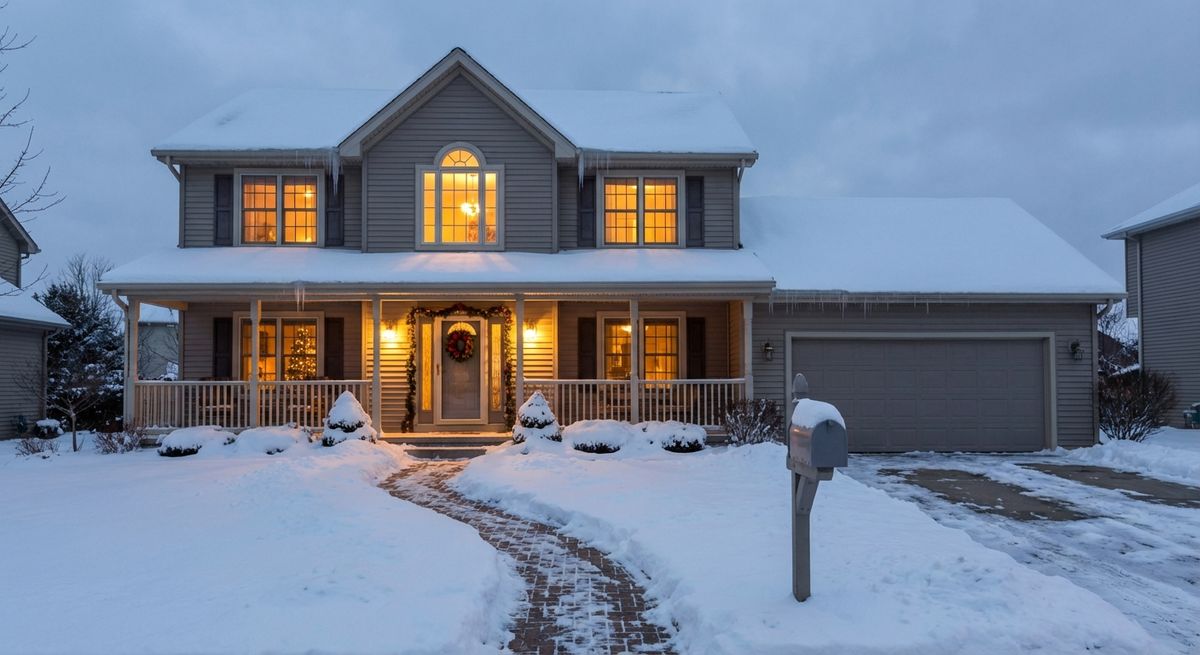
The wind howls outside, the temperature plummets, and then you hear it… the ominous drip of water somewhere it shouldn't be. Whether it's a burst pipe flooding your basement or a heating system that picked the coldest night of the year to fail, winter has an uncanny ability to expose every vulnerability in an unprepared home.
The statistics paint a chilly picture. According to NOAA, 2024 saw 27 billion-dollar weather disasters in the United States, including two major winter storm events in January alone. Winter storms caused approximately $6 billion in insured losses in 2022, the second-highest year for winter storm-related damages in the past decade.
The good news? Most winter damage is preventable with proper preparation. This comprehensive guide covers everything you need to know to protect your home, your family, and your finances before the first freeze arrives.
HVAC and Heating System Maintenance
Your heating system is your first line of defense against winter's worst. Yet many homeowners don't think about their furnace until that first cold snap, when they flip the switch and nothing happens.
Schedule a Professional Inspection
The busiest day of the year for heating repairs is the first truly cold day of the season. Schedule a professional HVAC tune-up in early fall, well before you need your system to perform.
DIY Maintenance Tasks
Between professional visits, homeowners can perform several maintenance tasks themselves. Change your air filter every one to three months. Ensure all vents and registers throughout your home are clean and unobstructed.
Protecting Your Pipes from Freezing
Frozen pipes represent one of the most costly and common winter disasters homeowners face. When water freezes, it expands by approximately 9%, creating pressure that can crack or burst pipes.
According to Philadelphia Insurance Companies, the average loss from burst pipes is $27,000, with some claims reaching $1.7 million.
Insulation is Key
Wrap pipes in unheated or minimally heated areas with foam sleeves, pipe tape, or tubular insulation. Focus on pipes in attics, crawl spaces, garages, and along exterior walls.
Roof and Gutter Inspection
Your roof protects everything beneath it, making its condition essential to winter preparedness. Ice dams form when warm air escapes into your attic, melting snow on the roof that then refreezes at the cold eaves.
Pre-Winter Roof Inspection
Before winter arrives, inspect your roof for loose, damaged, or missing shingles, and damaged flashing around chimneys, vents, and skylights.
Gutter Maintenance
Clean gutters and downspouts thoroughly before winter. Blocked gutters prevent proper drainage and contribute directly to ice dam formation.
Winter Home Protection: Key Takeaways & Next Steps
Winter exposes every weak point in a home—especially heating, plumbing, roofing, and documentation for insurance. With billions in annual winter-related losses and most homeowners experiencing some form of winter damage, preparation is both a safety and financial necessity.
Below is a concise, action-focused summary of the guide you provided, suitable as a landing page or lead-in for VaultTag.
Why Winter Prep Matters
- 2024 had 27 billion-dollar weather disasters in the U.S. (NOAA), including major winter storms.
- Winter storms caused about $6 billion in insured losses in 2022.
- 69% of U.S. homeowners report winter-related storm damage, often costing $500–$3,000+.
- Frozen pipes alone average $27,000 per loss, with some claims over $1.7 million.
Most of this damage is preventable with a weekend of focused preparation.
1. HVAC & Heating: Make Sure the Heat Works Before You Need It
Do early fall:
- Schedule a professional HVAC inspection/tune-up.
- Have the technician check for gas leaks, carbon monoxide, efficiency, and worn parts.
DIY between visits:
- Change air filters every 1–3 months.
- Keep vents/registers open and unobstructed (at least 80% open).
- Clear storage and flammables away from the furnace.
Test run:
- A couple of weeks before freezing temps, turn on the heat.
- Listen for odd noises, watch for burning smells, and fix issues while it’s still mild.
2. Protect Pipes from Freezing & Bursting
Frozen pipes are one of the most expensive and disruptive winter failures.
Insulate vulnerable pipes:
- Use foam sleeves or pipe wrap on pipes in:
- Attics
- Crawl spaces

Jackson White
Fundador y CEO de VaultTag desde 2022. Con más de tres años de experiencia dedicada en tecnología de inventario del hogar y documentación de seguros, Jackson desarrolló VaultTag después de presenciar cómo familias perdían posesiones irremplazables en el incendio Marshall. Ha ayudado a miles de propietarios a proteger sus bienes a través de documentación digital integral y trabaja estrechamente con profesionales de seguros para garantizar la verificación adecuada de cobertura.